The Human Touch: How Small Elderly Care Residences Transform Assisted Living
Business Name: BeeHive Homes of Amarillo
Address: 5800 SW 54th Ave, Amarillo, TX 79109
Phone: (806) 452-5883
BeeHive Homes of Amarillo
Beehive Homes of Amarillo assisted living is ideal for those who value their independence but require help with some of the activities of daily living. Residents enjoy 24-hour support, private bedrooms with baths, medication monitoring, home-cooked meals, housekeeping and laundry services, social activities and outings, and daily physical and mental exercise opportunities. Beehive Homes memory care services accommodates the growing number of seniors affected by memory loss and dementia. Beehive Homes offers respite (short-term) care for your loved one should the need arise. Whether help is needed after a surgery or illness, for vacation coverage, or just a break from the routine, respite care provides you peace of mind for any length of stay.
5800 SW 54th Ave, Amarillo, TX 79109
Business Hours
Families normally pertain to assisted living with combined emotions. Relief that assistance is finally in sight. Regret that they can not do everything themselves. Fear of making the incorrect choice. I have actually sat at kitchen tables with daughters who have actually not slept correctly in months and partners who feel they are breaking a promise. The choice is rarely about logistics alone. It has to do with trust, dignity, and whether a loved one will be treated as a whole person instead of a bed to be filled.
That is where small elderly care homes alter the conversation.
Large assisted living neighborhoods have their location. They can provide a vast array of features, on website medical staff, and foreseeable prices. However in the quieter corners of the senior care world, small homes with ten to twenty homeowners are reshaping what everyday life can feel like in later years. Less like a center, more like a family that just has actually more support developed in.
This is not a romantic dream. It features trade offs, policies, staffing challenges, and financial realities. Yet when it works well, the human touch inside a small elderly care home can transform assisted living, respite care, and long term elderly care into something gentler and even more personal.
Why size modifications everything
Most individuals focus on location and expense when they initially compare options for senior care. Size appears like a secondary detail, but it silently influences almost every other part of life in a care setting.
In a big assisted living complex with eighty or more residents, systems are developed for effectiveness. Personnel work in shifts. Care strategies are standardized. Activities are arranged in huge blocks. Food comes from a commercial kitchen. That does not instantly imply bad care, however it does imply the design depends upon structure and throughput.
In a small elderly care home, the scale is entirely various. Think of a transformed home with twelve locals, or a function built cottage style home with sixteen spaces wrapped around a main living and dining space. The staff know every resident by name, however more notably, they know how each person takes their tea, which football group they follow, and what time they naturally wake up if nobody rushes them.
The ratio of homeowners to caretakers tends to be lower. In practice, that may mean one caretaker for four to six homeowners throughout the day, instead of one caregiver for 10 or more in a bigger setting. Ratios differ by jurisdiction and acuity level, but in my experience the smaller the respite care home, the much easier it is to match staffing to individuals rather than to the building.
A smaller environment likewise suggests less layers in between a family and the individual in charge. You are most likely to fulfill the owner or director in the hallway, see them putting coffee, and know who to call if something feels off. That distance changes the tone of accountability.
Daily life when the scale is human
Families often ask, "What does an average day look like here?" They are not just inquiring about activities. They would like to know whether their mother will be rushed through morning care or left to stressing in front of a television for six hours.
In small homes, the rhythm of the day tends to follow citizens instead of a master schedule printed on shiny paper. Breakfast may be drawn out over two hours, with early risers consuming first and late sleepers roaming in when they are ready. Staff can adjust, because they are not serving fifty plates at once.
Laundry is often done in a routine home device where residents can see and take part. Some will fold towels or sort clothing just due to the fact that it feels familiar. I keep in mind one retired teacher who insisted on ironing pillowcases. The team might easily have stated no, citing safety and time, but they made area for it. That small task anchored her, and her agitation reduced noticeably in the afternoons.
Activities in small elderly care homes do not require to be grand to be meaningful. Planting herbs in containers, baking one tray of cookies, or checking out the regional paper aloud at the table can be enough. The point is not to entertain citizens as if they were hotel visitors. The goal is to keep them engaged in normal life.
Meal times are a good base test. In a smaller setting, you are more likely to see staff sitting at the table, consuming alongside citizens, and carefully cueing those who need assistance rather than standing over them with a spoon. People talk, joke, grumble about the soup, and ask for seconds. That social material belongs to care.
The power of familiarity for memory loss
For older adults dealing with dementia, the size and feel of the environment can matter just as much as medication and official therapies.
Large assisted living facilities sometimes overwhelm homeowners with long passages, identical doors, and crowded dining spaces. It becomes easy to get lost or withdraw. Households describe loved ones who spend the majority of the day in their space due to the fact that the common areas feel chaotic.
Small elderly care homes naturally restrict the number of stimuli. Less people go through. Instructions like "your room is the 3rd door on the left after the cooking area" really make good sense. Personnel have the time to stroll with someone rather than just pointing.
I remember a gentleman with moderate dementia who had stopped working in 3 previous positionings. He wandered, tried to exit, and became aggressive when rerouted. In a small home, with a completely enclosed garden and a front door that needed a discreet keypad, personnel let him walk. They learned his loops, joined him for part of each circuit, and utilized those walks to chat about his years in the navy. His habits did not amazingly vanish, however his distress dropped considerably because he was no longer being physically blocked in passages he did not recognize.
Familiar routines likewise decrease stress and anxiety. In big settings, staff modifications, company employees, and turning projects imply citizens see numerous faces. In a small home, the team is tighter. Citizens often understand exactly who will help them dress, who cleans their hair, and who brings their night medication. That predictability can make the difference between cooperation and resistance.
Relationships that surpass a chart
One of the most substantial advantages of smaller elderly care homes is relational continuity. Care plans, fall danger evaluations, and medication lists are vital, yet they only tell a fraction of the story. The rest is kept in human memory: the way somebody grimaces before they remain in visible discomfort, the meaning of a specific sigh, the appearance that states "I am afraid however I do not want to state it."
In a small home, the exact same caretaker might support a resident for months or years. They witness the sluggish shifts that are easy to miss throughout a quick end of shift report. I when saw a caretaker stop an associate from increasing a resident's anxiety medication. "Her hands shake more when she is worn out," she said. "She was up two times last night since of the thunderstorms. Give her a nap after lunch and inspect again." They did, and the shaking gone away. No dosage modification was needed.
Those type of nuanced calls are just possible when personnel and locals genuinely know each other.
Relationships extend to households as well. In a big assisted living setting, relatives are motivated to speak with the nurse or the manager at scheduled times. In small elderly care homes, I have actually seen caretakers hold a phone beside a resident's ear so a child can state goodnight, or text a quick photo of Dad sitting under a tree, newspaper in hand. That circulation of casual contact builds trust and gives households a lifeline of peace of mind without waiting for formal care conferences.
Respite care in a homelike setting
Respite care is typically an afterthought when households plan for elderly care, yet it can be the tool that keeps a fragile home scenario from collapsing. A short stay for an older adult offers family caretakers an opportunity to rest, travel, or recover from their own surgery.
In large facilities, respite homeowners often feel like temporary add ons. Personnel are discovering their needs from scratch at the very same time as the resident is attempting to adapt to a new environment. The experience can feel institutional and impersonal.
Small elderly care homes are typically much better placed to offer mild, tailored respite care, when they have a vacancy and the right staffing. Because the scale is smaller, staff can invest more time in advance to comprehend a visitor's routines: what time they like to shower, whether they view the news, which chair they gravitate toward. Households can frequently bring familiar bedding, images, or a preferred armchair without interfering with a big system.
One daughter told me she initially tried 3 days of respite for her mother in a small home "simply to see if either of us might bear it". Her mother returned speaking about the dog that checked out and the stew they had on Sunday. The daughter slept for twelve straight hours that weekend for the very first time in years. That brief stay gave them both self-confidence to think about a longer transition when caregiving at home became unsafe.
Respite stays also let households evaluate the culture of a home from the inside. You see how staff talk when they do not know anyone is listening, how they manage locals who refuse medication, and what takes place if somebody has a fall at 2 a.m. It is far easier to evaluate quality throughout a real stay than throughout a refined daytime tour.
Trade offs and constraints of small homes
Small does not instantly suggest better. It means different, with its own strengths and weaknesses.
Specialized medical care is the very first major trade off. Large assisted living communities might have on site physical treatment, routine going to specialists, or a connected memory care unit. A small elderly care home normally partners with outdoors companies. That can work well, however it requires coordination and often more family involvement to ensure appointments and follow up happen.
There is likewise less anonymity. Some homeowners take pleasure in the intimacy of knowing everyone; others prefer a little bit of range. In a twelve bed home, a dispute at the table can feel extreme. Personnel should be knowledgeable in conflict resolution and in supporting citizens who do not naturally get along, since there is no second dining room to get away to.
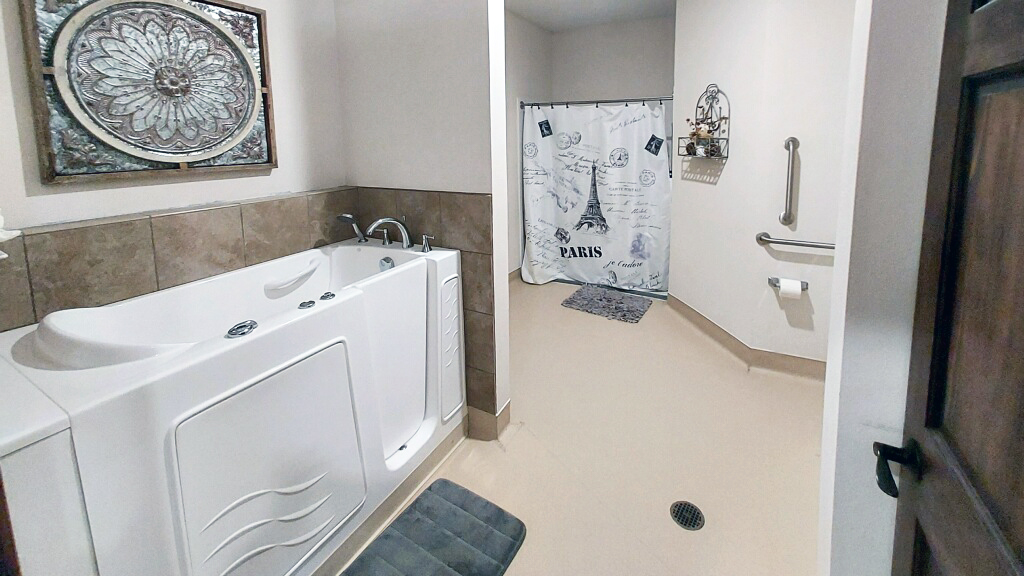
Financial structure is another element. Small homes frequently have higher staffing costs per resident, which can translate into greater monthly fees compared to mid tier assisted living in high volume centers. At the same time, they might have fewer layers of corporate overhead and marketing expenses, which can partially offset those costs. The variation is large, so households need to compare what is actually consisted of: personal care, medication management, incontinence products, transportation, and social activities.
Regulatory oversight differs by area. In some jurisdictions, small homes fall under different licensing classifications than traditional assisted living, such as adult household homes, residential care homes, or board and care. The rules for staffing, nursing oversight, and allowed care jobs can differ. Families need to comprehend what medical requirements can be met on site and when a hospitalization or transfer to a greater level of care would be required.
Finally, there is capability for progression. A resident whose care requirements increase considerably may eventually require a nursing home or knowledgeable nursing facility, despite the setting they begin in. A small home with only one night employee, for instance, might not have the ability to safely support someone who requires 2 person transfers around the clock. A great supplier will be sincere about these limits from the beginning.
Signals of a healthy small elderly care home
Choosing any type of senior care is part research, part impulse. Families walk into a home and sense something in the air: stress or ease, focus or tiredness. With small homes, that suspicion is especially helpful, because the culture is so visible.
Here is one practical list that can help families evaluate whether a small elderly care home is likely to supply safe, considerate assisted living or respite care:
- Smell and noise: The home smells like food and cleaning items in affordable quantities, not frustrating deodorizer or relentless urine. Background sound is moderate, with staff speaking at typical volumes and homeowners not screaming for long periods without response.
- Staff presence: Caregivers are visible, not concealing in a workplace. When they pass a resident, they make eye contact or provide a brief welcoming, even if their hands are full.
- Resident engagement: Individuals are doing recognizable activities, even simple ones like reading, folding laundry, or talking. Tv can be on, but it is not the only thing taking place all day.
- Transparency: The manager or owner wants to go over staffing ratios, training, and current regulative examinations. Policies for falls, health center transfers, and end of life care are clearly explained.
- Flexibility: The home can describe how they adjust to specific routines rather than firmly insisting that everyone follows a stiff everyday timetable.
Beyond any list, watch how staff discuss locals when they believe you are not actually listening. An expression like "our individuals" or "our women" originating from a location of affection is various from dismissive talk about "feeders" or "wanderers." Language exposes mindset.
Partnering with families rather of replacing them
One of the worries I typically hear is, "If I move Dad into assisted living, will they anticipate me to step back and let them manage everything?" In large facilities, households often feel pressed to the sidelines by systems developed for operational efficiency.
Small elderly care homes tend to be more versatile in involving families as partners. There is more room to accommodate a daughter who wants to keep handling her mother's hair visits, or a kid who prefers to manage all medical decisions directly with the doctor. Staff can document those choices and incorporate them into the care strategy without activating a bureaucratic chain reaction.
At the very same time, limits matter. Excellent homes secure both locals and relatives from unrealistic expectations. If a household caregiver demands a complex medication regimen that the home can not safely manage, leadership should explain why and pursue a practical option. Partnership does not mean saying yes to whatever. It implies open discussion and shared respect.
I have seen a few of the most lovely examples of cooperation in small homes at the end of life. Families bring in favorite blankets, music, or religious routines. Personnel who have known the resident for several years sit quietly at the bedside, providing sips of water, a cool cloth, or simply presence. The line between "family" and "staff" softens, and the focus shifts to comfort and friendship more than to clinical jobs. That is not distinct to small homes, however the setting typically makes it easier.
When a small home is not the right fit
Despite the numerous advantages, small elderly care homes are not perfect for each individual or every situation.
Some older grownups really enjoy the energy and variety of a big assisted living neighborhood. They thrive on huge activity calendars, live entertainment, swimming pool tables, fitness classes, and large dining halls. For someone who invested their life in busy social environments, a small home may feel too quiet.
Clinical intricacy matters also. A person requiring frequent suctioning, advanced injury care, ventilator assistance, or complex intravenous treatments is most likely to be better served in a knowledgeable nursing facility that is geared up and accredited for that level of medical intervention.
Geography can be another limiting aspect. Small homes might not exist in every community, especially backwoods where guidelines and staffing lacks make them hard to sustain. In such cases, a high quality mid sized assisted living with a strong memory care system might be the most practical option.
There are likewise personal and cultural preferences. Some families want clear professional range in between staff and residents. Others value a more familial feel where everybody hugs and trades stories. A small home usually favors the latter. Going to at different times of day, and talking honestly with both management and caregivers, is the very best method to evaluate fit.
Making a thoughtful choice
Choosing between different designs of senior care is not about finding a perfect option. It is about discovering the most humane, sustainable alternative offered a particular individual's requirements, financial resources, history, and values.
Small elderly care homes bring a sort of care that is tough to reproduce at larger scale: constant relationships, versatile regimens, peaceful spaces, and staff who have the bandwidth to discover the little things. They can use assisted living that feels closer to home, respite care that brings back both the older adult and the family caregiver, and long term elderly care fixated self-respect instead of throughput.

They likewise require cautious scrutiny. Households need to ask difficult concerns about staffing, training, medical oversight, and financial stability. A lovely living room and a friendly tour are a starting point, not a last judgment.
For lots of older adults, the last years of life are shaped more by everyday information than by significant interventions. Whether somebody gets up when they pick, whether a familiar voice responses when they call out in the evening, whether their stories are heard and kept in mind, whether their last weeks are spent in chaos or calm. Small homes can not ensure perfection, however when attentively run, they develop the conditions where that human touch is more likely.
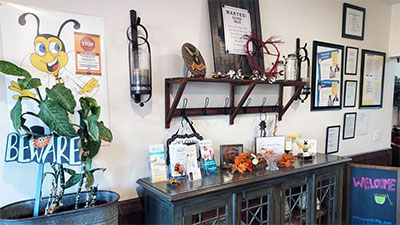
That is the peaceful transformation occurring across pockets of assisted living and senior care: not larger buildings or flashier facilities, however smaller, steadier places where people still understand one another by name, and where care looks a lot like ordinary life, supported instead of replaced.
BeeHive Homes of Amarillo provides assisted living care
BeeHive Homes of Amarillo provides memory care services
BeeHive Homes of Amarillo provides respite care services
BeeHive Homes of Amarillo supports assistance with bathing and grooming
BeeHive Homes of Amarillo offers private bedrooms with private bathrooms
BeeHive Homes of Amarillo provides medication monitoring and documentation
BeeHive Homes of Amarillo serves dietitian-approved meals
BeeHive Homes of Amarillo provides housekeeping services
BeeHive Homes of Amarillo provides laundry services
BeeHive Homes of Amarillo offers community dining and social engagement activities
BeeHive Homes of Amarillo features life enrichment activities
BeeHive Homes of Amarillo supports personal care assistance during meals and daily routines
BeeHive Homes of Amarillo promotes frequent physical and mental exercise opportunities
BeeHive Homes of Amarillo provides a home-like residential environment
BeeHive Homes of Amarillo creates customized care plans as residents’ needs change
BeeHive Homes of Amarillo assesses individual resident care needs
BeeHive Homes of Amarillo accepts private pay and long-term care insurance
BeeHive Homes of Amarillo assists qualified veterans with Aid and Attendance benefits
BeeHive Homes of Amarillo encourages meaningful resident-to-staff relationships
BeeHive Homes of Amarillo delivers compassionate, attentive senior care focused on dignity and comfort
BeeHive Homes of Amarillo has a phone number of (806) 452-5883
BeeHive Homes of Amarillo has an address of 5800 SW 54th Ave, Amarillo, TX 79109
BeeHive Homes of Amarillo has a website https://beehivehomes.com/locations/amarillo/
BeeHive Homes of Amarillo has Google Maps listing https://maps.app.goo.gl/avxAXn336jPCWXwv7
BeeHive Homes of Amarillo has Facebook page https://www.facebook.com/BeehiveAmarillo/
BeeHive Homes of Amarillos has YouTube channel https://www.youtube.com/@WelcomeHomeBeeHiveHomes
BeeHive Homes of Amarillo won Top Assisted Living Homes 2025
BeeHive Homes of Amarillo earned Best Customer Service Award 2024
BeeHive Homes of Amarillo placed 1st for Senior Living Communities 2025
People Also Ask about BeeHive Homes of Amarillo
What is BeeHive Homes of Amarillo Living monthly room rate?
The rate depends on the level of care that is needed. We do an initial evaluation for each potential resident to determine the level of care needed. The monthly rate is based on this evaluation. There are no hidden costs or fees
Can residents stay in BeeHive Homes of Amarillo until the end of their life?
Usually yes. There are exceptions, such as when there are safety issues with the resident, or they need 24 hour skilled nursing services
Does BeeHive Homes of Amarillo have a nurse on staff?
No, but each BeeHive Home has a consulting Nurse available 24 – 7. if nursing services are needed, a doctor can order home health to come into the home
What are BeeHive Homes of Amarillo visiting hours?
Visiting hours are adjusted to accommodate the families and the resident’s needs… just not too early or too late
Do we have couple’s rooms available?
Yes, each home has rooms designed to accommodate couples. Please ask about the availability of these rooms
Where is BeeHive Homes of Amarillo located?
BeeHive Homes of Amarillo is conveniently located at 5800 SW 54th Ave, Amarillo, TX 79109. You can easily find directions on Google Maps or call at (806) 452-5883 Monday through Sunday 9:00am to 5:00pm
How can I contact BeeHive Homes of Amarillo?
You can contact BeeHive Homes of Amarillo Assisted Living by phone at: (806) 452-5883, visit their website at https://beehivehomes.com/locations/amarillo, or connect on social media via Facebook or YouTube
Visiting the John Stiff Memorial Park gives a green space where residents in assisted living, memory care, senior care, and elderly care can enjoy fresh air and gentle activity during respite care outings.